An Inspirational Reflection on Leadership and Service in Ghana
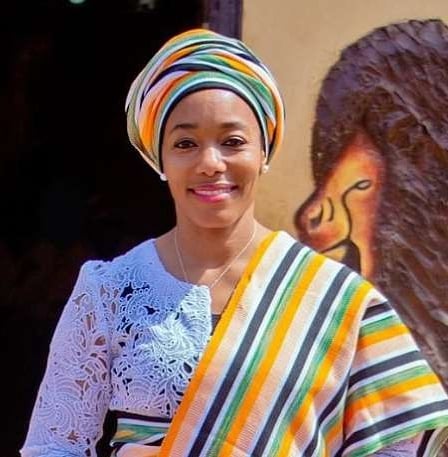

In every democratic society, leadership is defined not merely by authority, but by responsibility. The philosophy articulated by Member of Parliament Dr. Zanetor Agyeman-Rawlings offers a deeply inspiring reminder of this truth: that anyone entrusted with public office whether elected by the people or appointed by the state is a custodian of power, not its owner. Power, in its truest sense, belongs to the people of Ghana.
This perspective elevates public service beyond politics and ambition. It frames leadership as stewardship, a sacred trust handed down temporarily for the purpose of service. When leaders understand that power is borrowed from the people, they approach governance with humility, caution, and respect. They recognize that their role is not to dominate, but to serve; not to accumulate privilege, but to protect the collective interest.
At the heart of this philosophy is integrity. Public office is not a reward for personal sacrifice, nor an opportunity for self-enrichment. It is not meant to secure advantages for one’s immediate family, friends, or political allies. Rather, it is a call to selflessness. The true public servant measures success by the well-being of citizens, the strength of institutions, and the fairness of opportunities created for all.
Dr. Agyeman-Rawlings’ position resonates strongly in a society where citizens increasingly demand accountability and transparency. Her message challenges leaders to rise above narrow interests and remember the people whose trust placed them in office. Leadership, in this sense, becomes an act of moral courage choosing what is right over what is convenient, and what is just over what is profitable.
Perhaps the most profound element of this philosophy is its spiritual dimension. To serve Ghana, she suggests, is to serve God. This belief places leadership on a higher ethical plane. It reminds public officials that beyond laws, constitutions, and institutions, there is conscience. Decisions taken in public office should reflect honesty, compassion, and reverence for human dignity. When leaders see their work as service to both country and God, corruption loses its appeal and integrity becomes non-negotiable.
This inspirational understanding of leadership is particularly vital for Ghana’s democratic journey. Democracy thrives not only on elections, but on character. It flourishes when leaders see power as temporary and legacy as permanent. The offices may change hands, but the consequences of leadership good or bad remain etched in the lives of citizens and the pages of history.
For the youth of Ghana, this message is especially powerful. It redefines leadership as service, not status. It encourages a new generation to aspire not just to positions of influence, but to lives of impact. It teaches that the highest form of leadership is rooted in humility, discipline, and devotion to the common good.
In affirming that public office is a sacred trust, Dr. Zanetor Agyeman-Rawlings offers more than a political statement; she offers a moral compass. Her philosophy calls on all who wield authority to remember why they serve, whom they serve, and the values that must guide them.
When leaders govern with integrity, serve selflessly, and honor their responsibility to both the people and God, they do more than manage a nation they uplift it. And in such leadership lies the promise of a stronger, fairer, and more united Ghana.
Mustapha Bature Sallama
Medical Science communicator.
Private Investigator and Criminal
Investigation and Intelligence Analysis,
International Conflict Management and Peace Building. Alumni Gandhi Global Academy United States Institute of Peace.
[email protected]
+233-555-275-880
link