A Disney Deal With OpenAI

The ghost of Steve Jobs haunts Disney’s OpenAI deal.
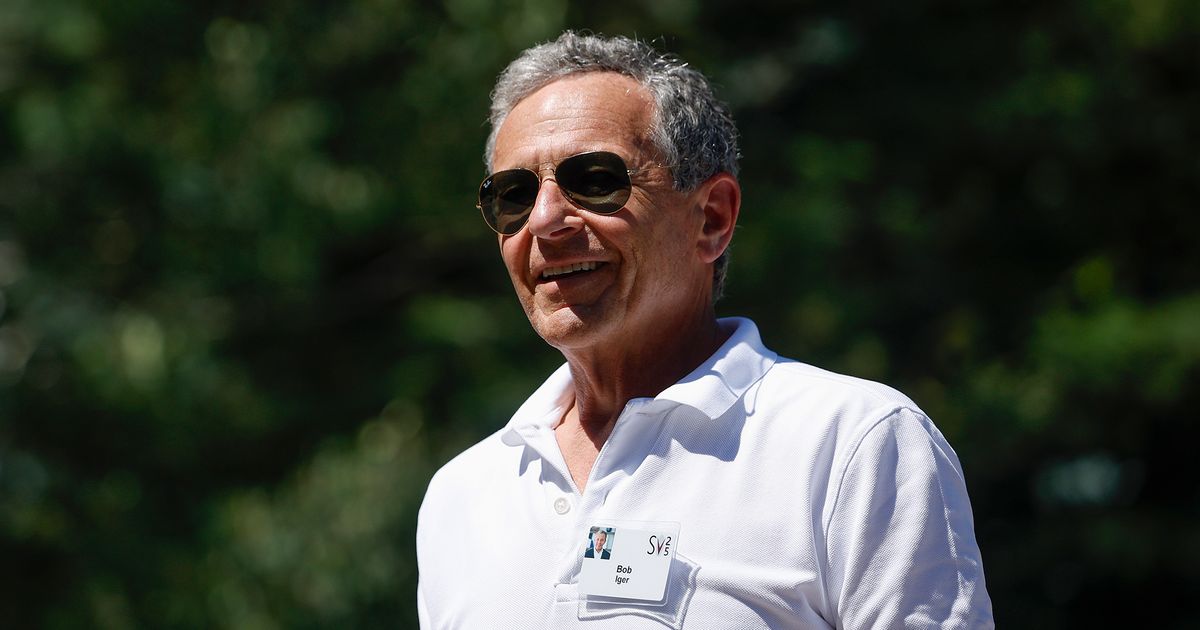
Photo-Illustration: Vulture; Photo: Kevin Dietsch/Getty Images
In October 2005, Bob Iger was just a few months into his new gig as CEO of the Walt Disney Company when he announced a deal that would stun the entertainment industry. Standing next to Steve Jobs on a stage in Cupertino, Iger said that Disney would begin selling digital downloads of a handful of ABC and Disney Channel shows via Apple’s fledgling iTunes Store, including episodes that had premiered on TV just hours before. It was the first time a major Hollywood studio had agreed to (legally) let consumers bypass the broadcast and cable ecosystem to watch current seasons of shows as they ran on TV.
Exactly 20 years later, and likely just weeks away from announcing his (second) successor, Iger is once again trying to play trailblazer. As my colleague Eric Vilas-Boas outlined today, Iger’s first-of-its-kind deal with OpenAI lets consumers (legally) bypass the Hollywood ecosystem of writers, actors, and animators to create their own short-form videos featuring Disney characters. Some of these creations will even end up streaming on Disney+, allowing subscribers a choice between George Lucas’s Star Wars and George from Ohio’s Darth Vader vs. Ariel. To further cement Disney’s commitment to artificial intelligence, the company is also making a $1 billion investment in OpenAI.
For anyone who’s skeptical about AI and dubious about its utility, today’s news is incredibly depressing. At a time when legacy companies like Disney are slashing budgets and cutting jobs, Iger is investing in tools aimed, quite literally, at making traditional Hollywood storytellers obsolete, or at the very least, a lot less relevant.
So why make such a deal? Well, it’s worth recalling that Iger faced plenty of doubt over his 2005 iTunes deal. Naysayers predicted it would do massive damage to the broadcast and cable ecosystem by pushing down ratings and reducing ad dollars, hurting one of Disney’s biggest profit centers. It turns out the doubters got it half-right: While iTunes downloads ultimately amounted to just a small ding to network bottom lines, they foreshadowed the much bigger threat just a few years away — subscription video on demand, or what most folks just call “Netflix.”
Iger’s embrace of iTunes resulted in other companies jumping on to the digital-download bandwagon and helped open a whole new market of digital sales for studios. None of it was as profitable as the old system, but it also beat the alternative (unchecked digital piracy). And in retrospect, Iger looks prescient for having positioned Disney as a leader in the new digital world. No doubt he’s hoping one of his final big acts as CEO will be judged the same way, but I’m not so sure. At the time of the iTunes deal, Apple already had a long track record of success and its leader, Jobs, was a confirmed visionary. I don’t know OpenAI’s Sam Altman, and he’s definitely not a friend of mine, but I do know this: Sam Altman is no Steve Jobs.
See All
link