
15 Life-Changing Books Recommended by Steve Jobs
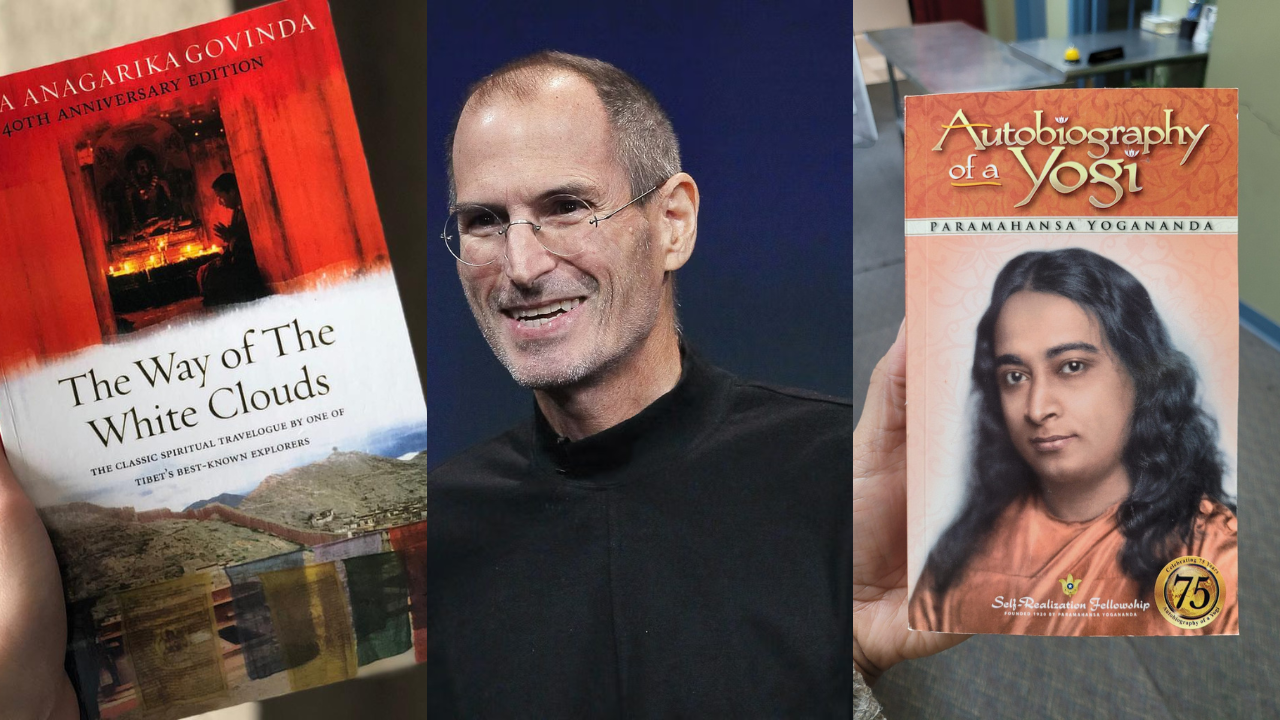
15 Life-Changing Books Recommended by Steve Jobs (Picture Credit – Instagram)
1. Mucusless Diet Healing System by Arnold Ehret
Arnold Ehret’s book on health and diet delves into the numerous benefits of adopting a plant-based, mucus-free dietary regimen. Steve Jobs, widely recognized for his often unconventional dietary habits and health practices, discovered significant value in Ehret’s unique perspectives on nutrition, detoxification, and overall wellness.
2. Moby-Dick by Herman Melville
Herman Melville’s sweeping epic tale of consuming obsession and thrilling adventure profoundly captivated Steve Jobs, particularly during his formative years. The novel’s deep exploration of the complexities of human ambition, the relentless quest for meaning and purpose, and the perils of obsession deeply resonated with his own unwavering and relentless pursuit of excellence and innovation in all his endeavours.
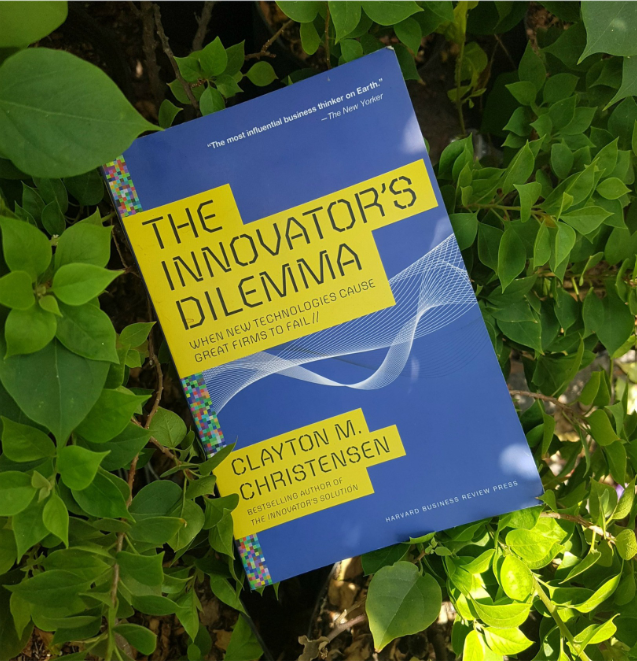
3. The Innovator’s Dilemma by Clayton M. Christensen
Christensen explores why successful companies often fail to innovate and adapt to disruptive technologies. He argues that well-established businesses, focused on refining existing products, often overlook groundbreaking innovations that reshape industries. Jobs found this analysis insightful, guiding his strategies to keep Apple at the forefront of technological advancement. By embracing disruptive innovation, Jobs ensured Apple remained a pioneer in technology, continually redefining markets with revolutionary products like the iPhone and iPad.
4. Be Here Now by Ram Dass
A seminal guide to spirituality and mindfulness, this book blends Eastern philosophy with Western culture, offering practical insights on meditation, consciousness, and self-awareness. Jobs appreciated its emphasis on living fully in the present moment, which deeply influenced his personal and professional philosophy. The book’s teachings on mindfulness helped shape his leadership style at Apple, reinforcing his focus on simplicity, creativity, and a deep connection between technology and human experience.
5. Zen Mind, Beginner’s Mind by Shunryu Suzuki
Suzuki’s work introduces Zen philosophy, emphasizing a beginner’s mindset to approach life with openness and humility. The book explores key Zen principles, including mindfulness, self-discipline, and the importance of remaining curious and adaptable. This perspective resonated with Jobs, influencing his approach to innovation and design at Apple. He believed in constantly challenging assumptions and staying receptive to new ideas, ensuring Apple products embodied simplicity, elegance, and user-centred design.
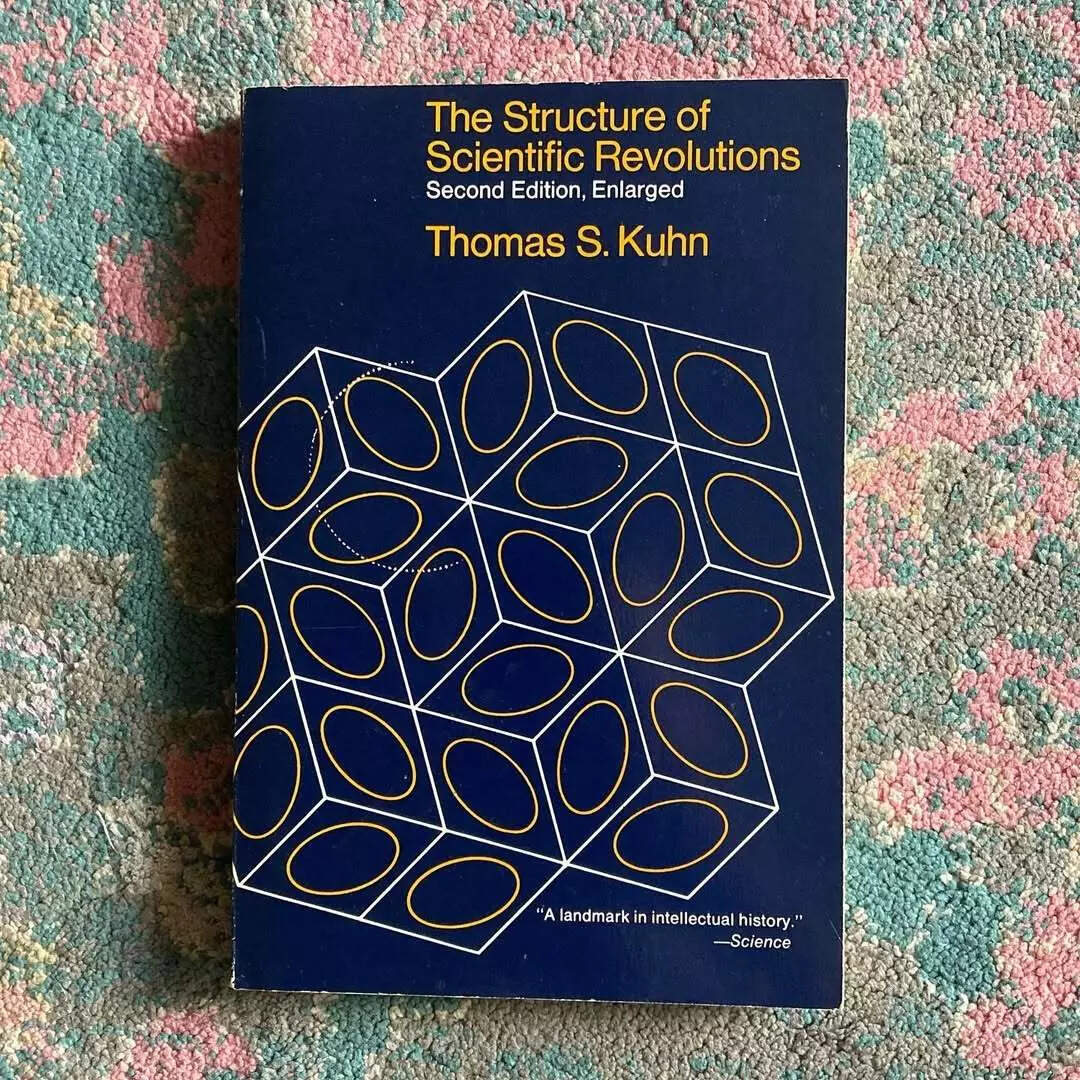
6. The Structure of Scientific Revolutions by Thomas S. Kuhn
Kuhn’s analysis of paradigm shifts in science offered Jobs a framework to understand and drive innovation. The book explores how scientific breakthroughs disrupt conventional thinking, leading to new models of understanding. Jobs saw parallels between Kuhn’s concept of paradigm shifts and Apple’s disruptive role in the tech industry. He applied this philosophy by pioneering groundbreaking products that redefined industries, such as the Macintosh, iPod, and iPhone, each revolutionizing the way people interact with technology.
7. King Lear by William Shakespeare
Shakespeare’s tragedy delves into themes of power, loyalty, and human nature, exploring the consequences of ambition and betrayal. Jobs admired its complex characters and timeless lessons, reflecting his appreciation for storytelling and artistry. The play’s exploration of leadership and the dangers of hubris resonated with him, offering valuable insights into the challenges of running a company. It also reinforced his belief in emotional intelligence, strategic thinking, and the importance of surrounding oneself with trustworthy allies.
8. The Collected Poems of Dylan Thomas by Dylan Thomas
The lyrical and emotive poetry of Dylan Thomas inspired Jobs, who had a deep appreciation for artistic expression. Thomas’s innovative use of language and exploration of human experience resonated with Jobs’s own creative pursuits. The poet’s ability to evoke deep emotions and challenge conventional poetic structures reflected the same boundary-pushing approach Jobs took with Apple’s products. His admiration for Thomas’s work highlighted his belief in the power of words, storytelling, and aesthetics in technology and design.

9. The Way of the White Clouds by Lama Anagarika Govinda
This spiritual memoir recounts Govinda’s journey through Tibet and his experiences with Buddhist practices. The book offers deep insights into Tibetan culture, meditation, and the quest for enlightenment, themes that fascinated Jobs. He found inspiration in its exploration of spirituality and self-discovery, incorporating elements of Eastern philosophy into his personal and professional life. The book reinforced his minimalist approach to design, his commitment to meditation, and his belief in continuous self-improvement and deeper awareness.
10. Meetings with Remarkable Men by G.I. Gurdjieff
Gurdjieff’s autobiographical account of his search for truth and encounters with extraordinary individuals intrigued Jobs. The book’s exploration of self-discovery, discipline, and spiritual awakening resonated with his own journey toward personal growth. Jobs admired Gurdjieff’s commitment to seeking wisdom from various cultures and philosophies, which influenced his own explorations into Zen Buddhism and meditation. The book reinforced his lifelong quest for innovation, authenticity, and a deeper understanding of both technology and human nature.
11. Ramakrishna and His Disciples by Christopher Isherwood
Christopher Isherwood’s insightful portrayal of the revered Indian mystic Ramakrishna and his devoted followers offered Steve Jobs valuable insights into the profound depths of Eastern spirituality and its practices. The book’s central themes of unwavering devotion, the pursuit of enlightenment, and the guru-disciple relationship significantly influenced his developing philosophical perspective and growing interest in meditation techniques.
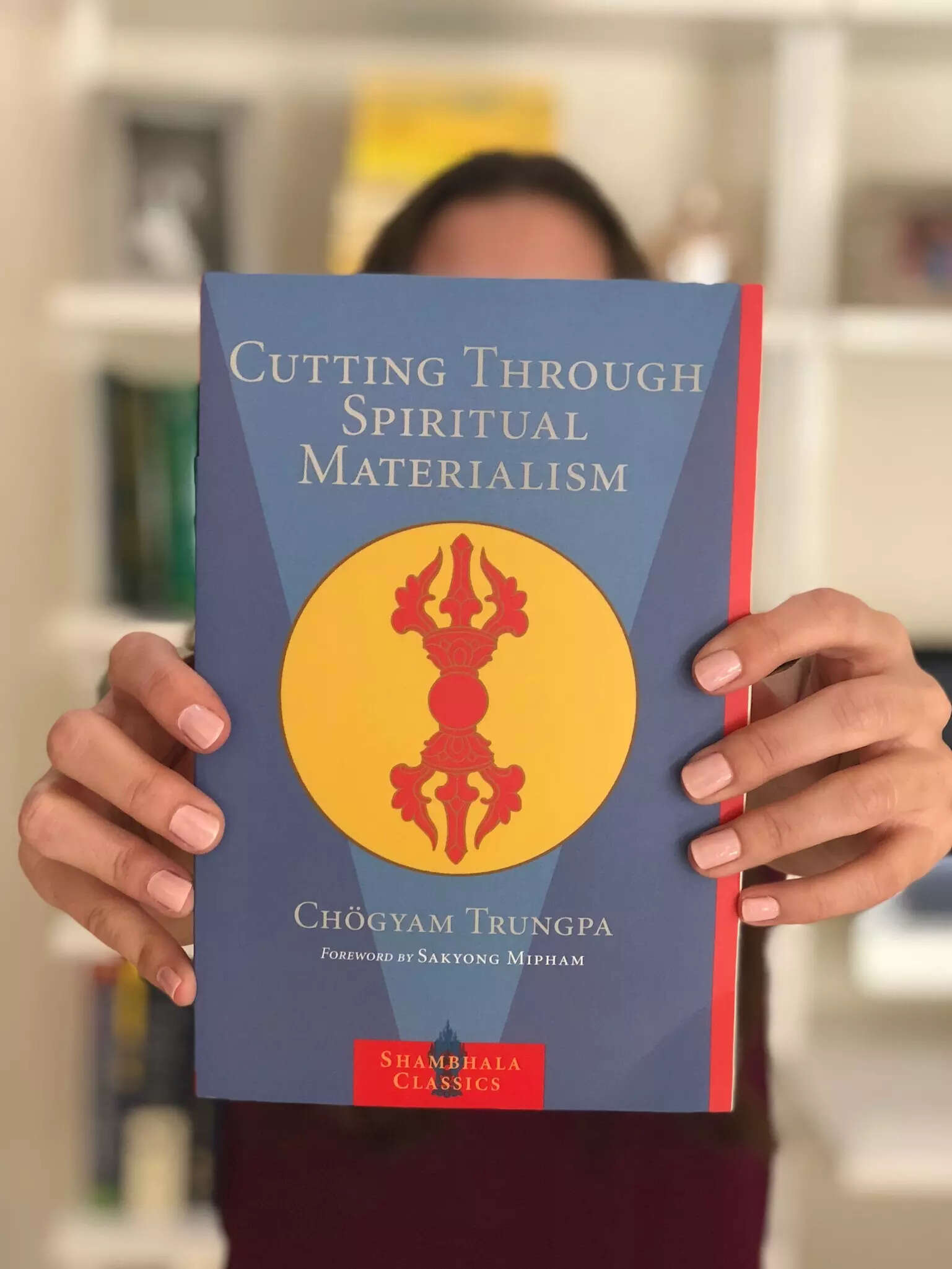
12. Cutting Through Spiritual Materialism by Chögyam Trungpa
Chögyam Trungpa’s impactful work presents a compelling challenge to readers, urging them to move beyond superficial and performative spiritual practices in pursuit of authentic and genuine enlightenment. Steve Jobs deeply appreciated the book’s strikingly candid and direct approach to spirituality, which resonated with his own profound desire for unwavering authenticity in all aspects of both his personal life and his professional endeavours, valuing genuine substance over mere appearances.
13. Cosmic Consciousness by Richard M. Bucke
Richard Maurice Bucke’s profound exploration of higher states of consciousness deeply fascinated Steve Jobs, who maintained a lifelong interest in unlocking the untapped potential of the human mind and expanding its capabilities. The book’s detailed examination of transformative mystical experiences and altered states of awareness significantly influenced his innovative views on creativity, intuition, and the boundless possibilities of human consciousness. It broadened his perspective on how these elements could fuel groundbreaking innovation.
14. Diet for a Small Planet by Frances Moore Lappé
‘Diet for a Small Planet’ by Frances Moore Lappé was a groundbreaking exploration of sustainable eating and vegetarianism, deeply resonating with Steve Jobs, who was known for his strict dietary habits and focus on mindful consumption. The book challenged conventional food production systems, advocating for a plant-based diet as a solution to global food scarcity and environmental issues. Jobs, who often followed fruitarian and vegetarian diets, connected with Lappé’s philosophy, mirroring his approach to minimalism, efficiency, and environmental responsibility in product design.
15. Autobiography of a Yogi by Paramahansa Yogananda
Paramahansa Yogananda’s revered spiritual classic chronicles his transformative journey toward self-realization and recounts his enlightening encounters with numerous saints and wise sages along the way. Steve Jobs first encountered this influential book as a teenager and subsequently revisited it annually, consistently finding profound inspiration and guidance within its timeless teachings.
link